RSS Feed

Branching Out

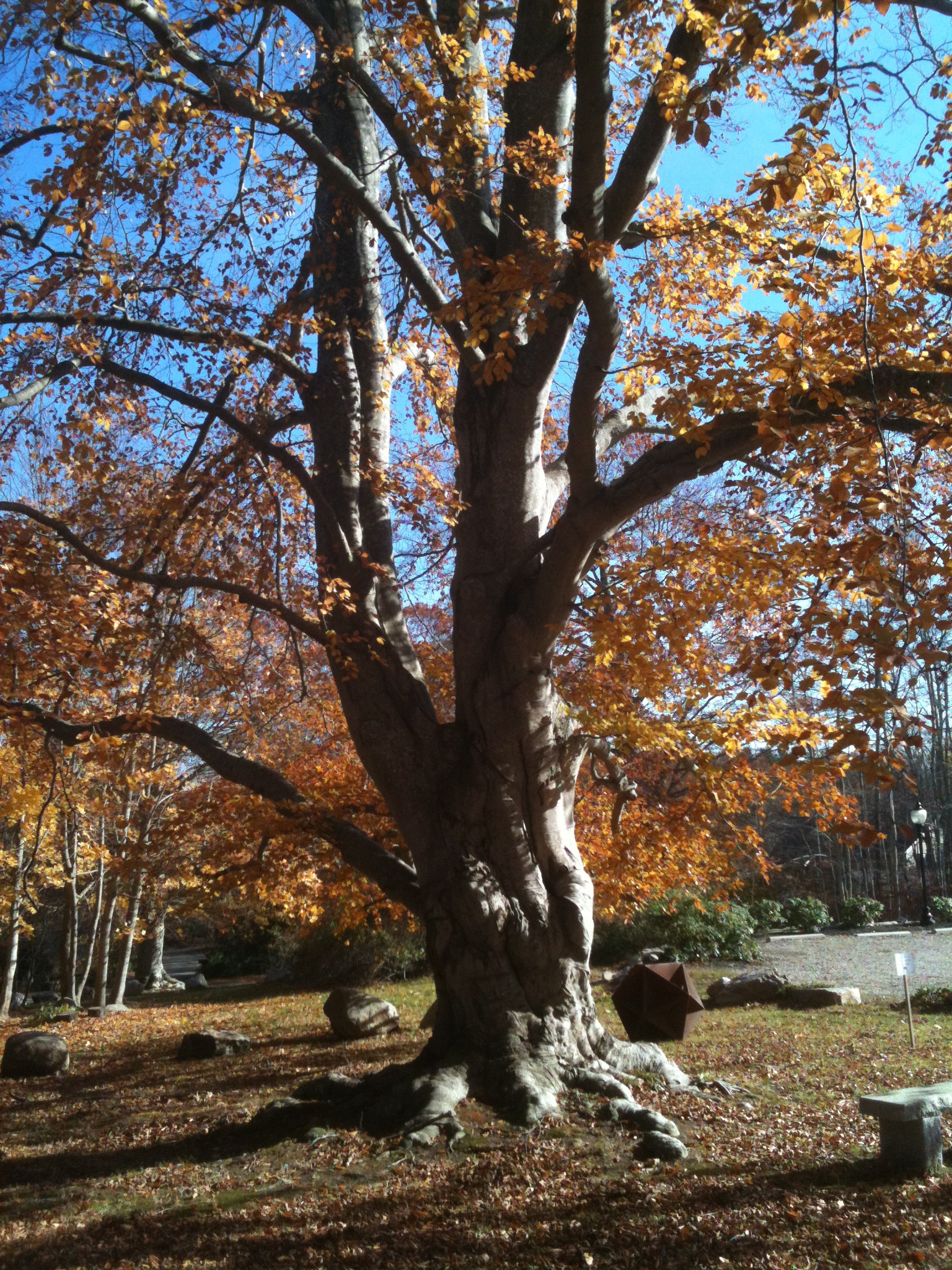
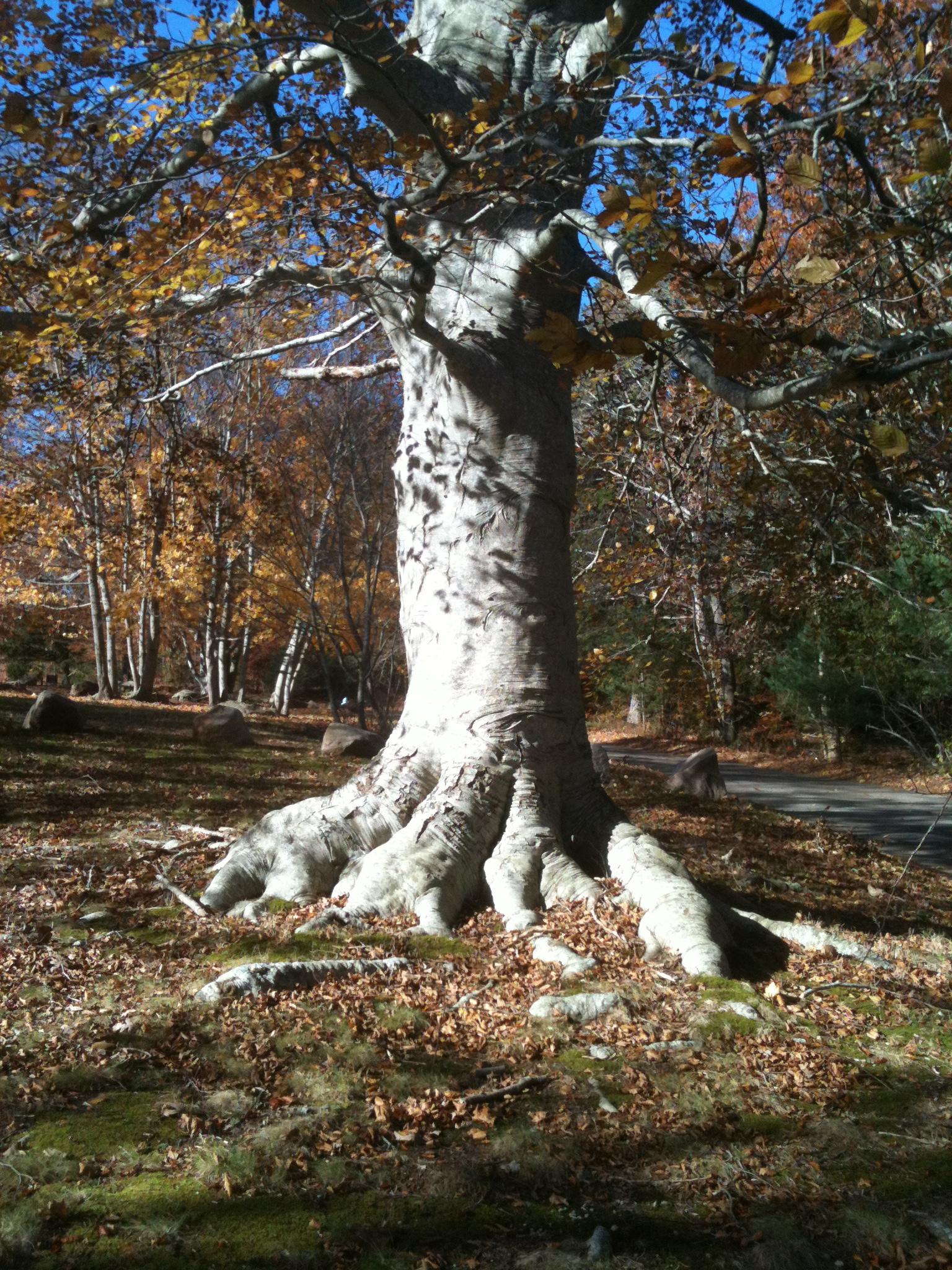
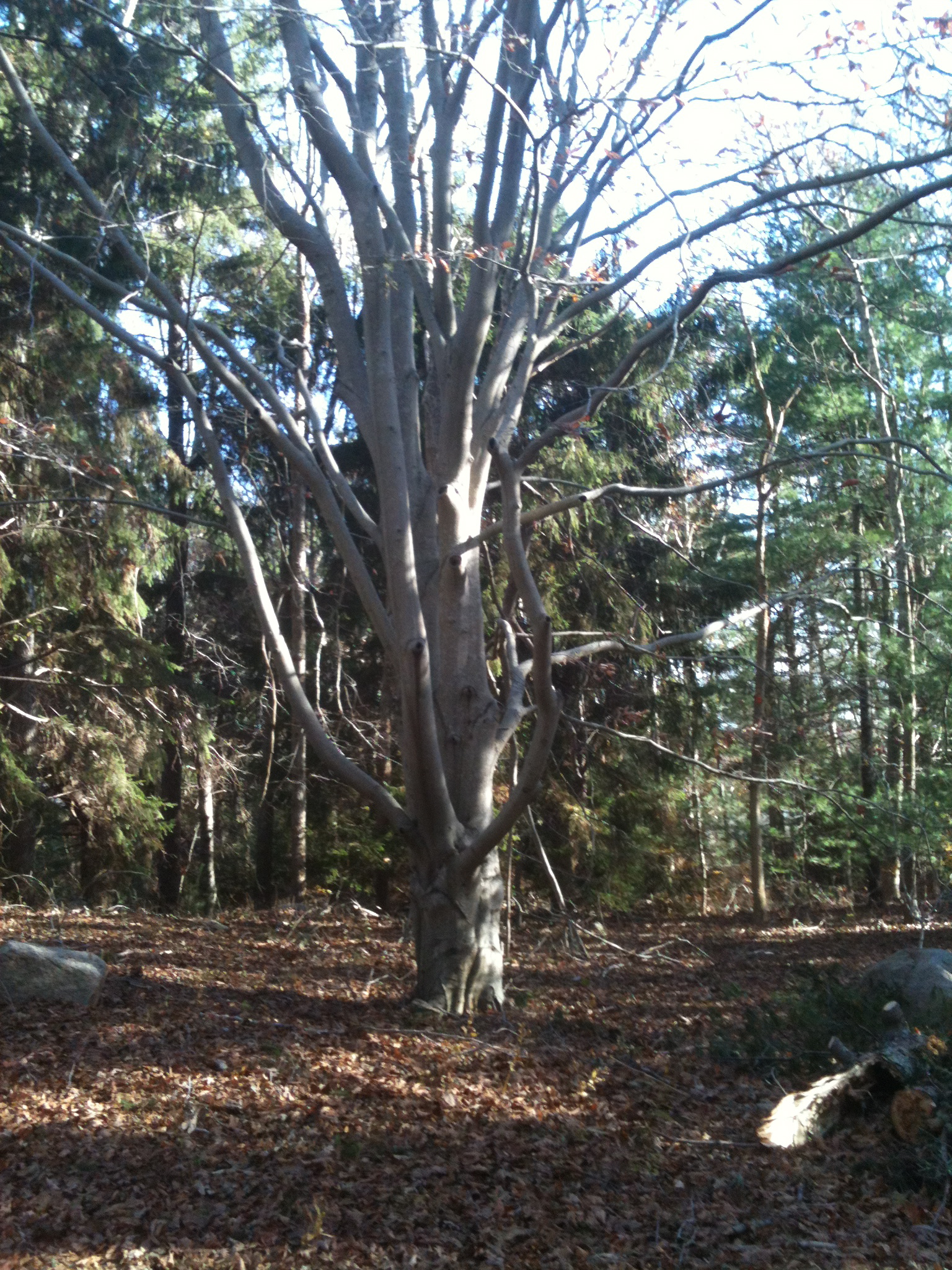
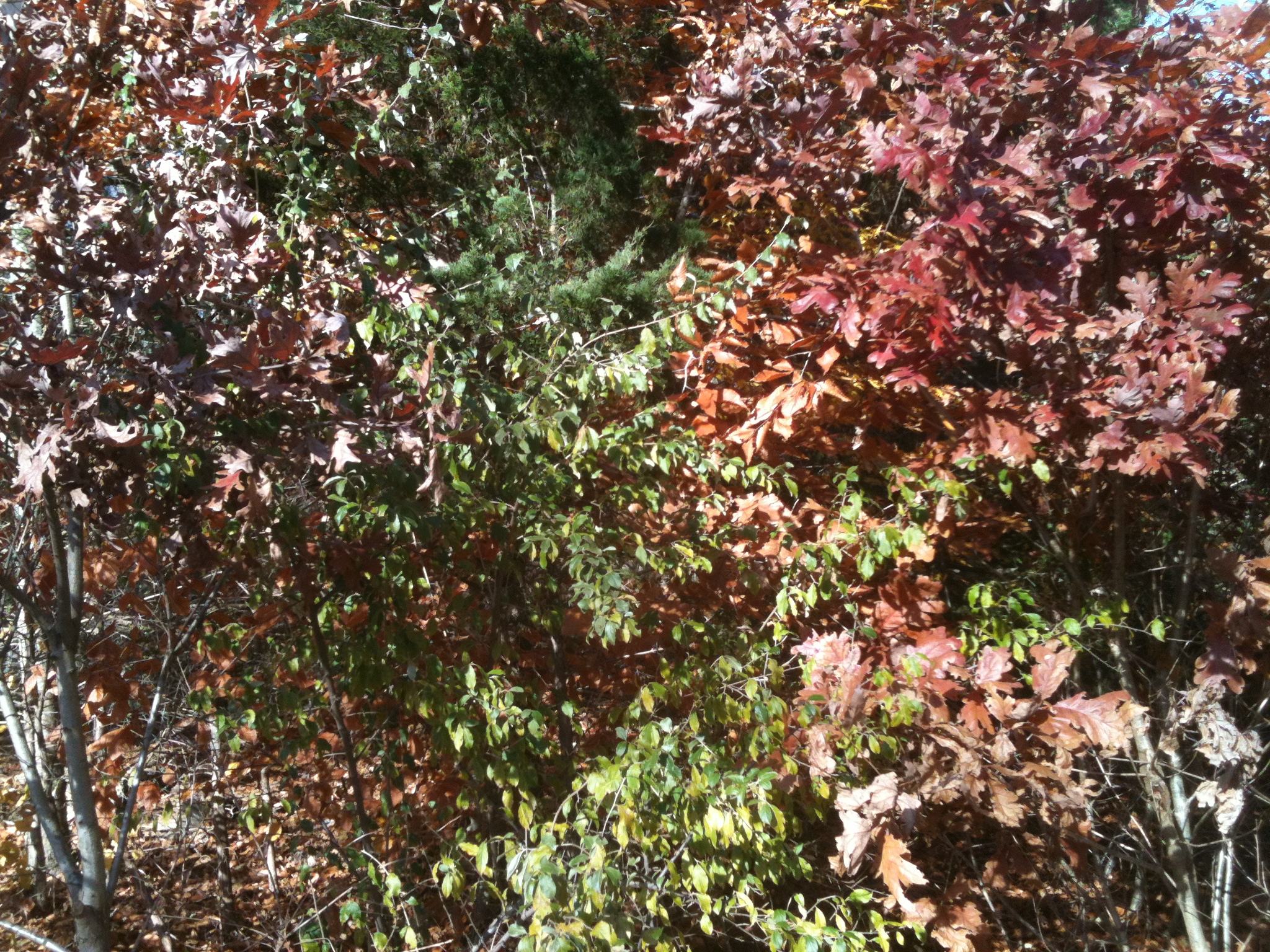
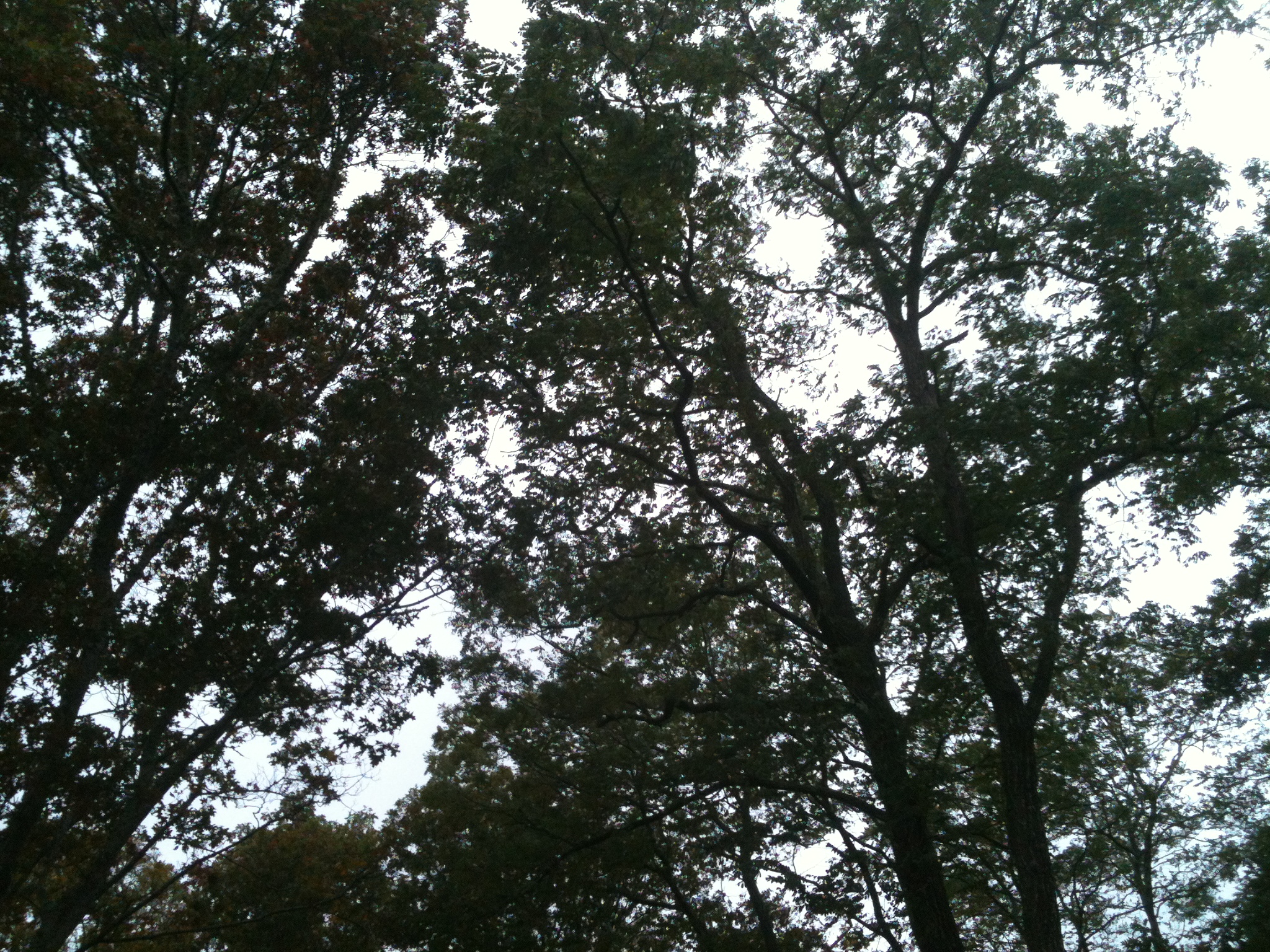
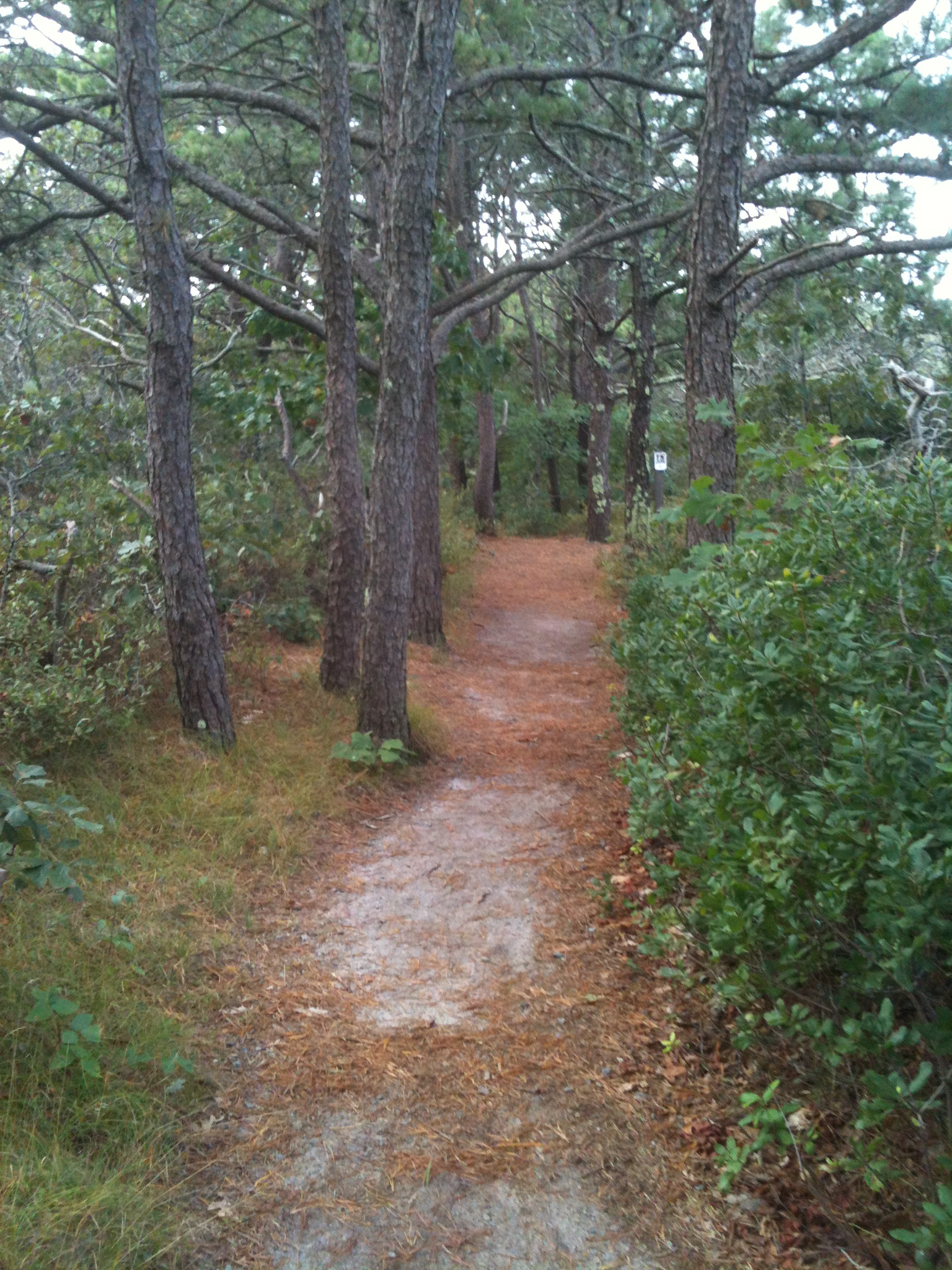
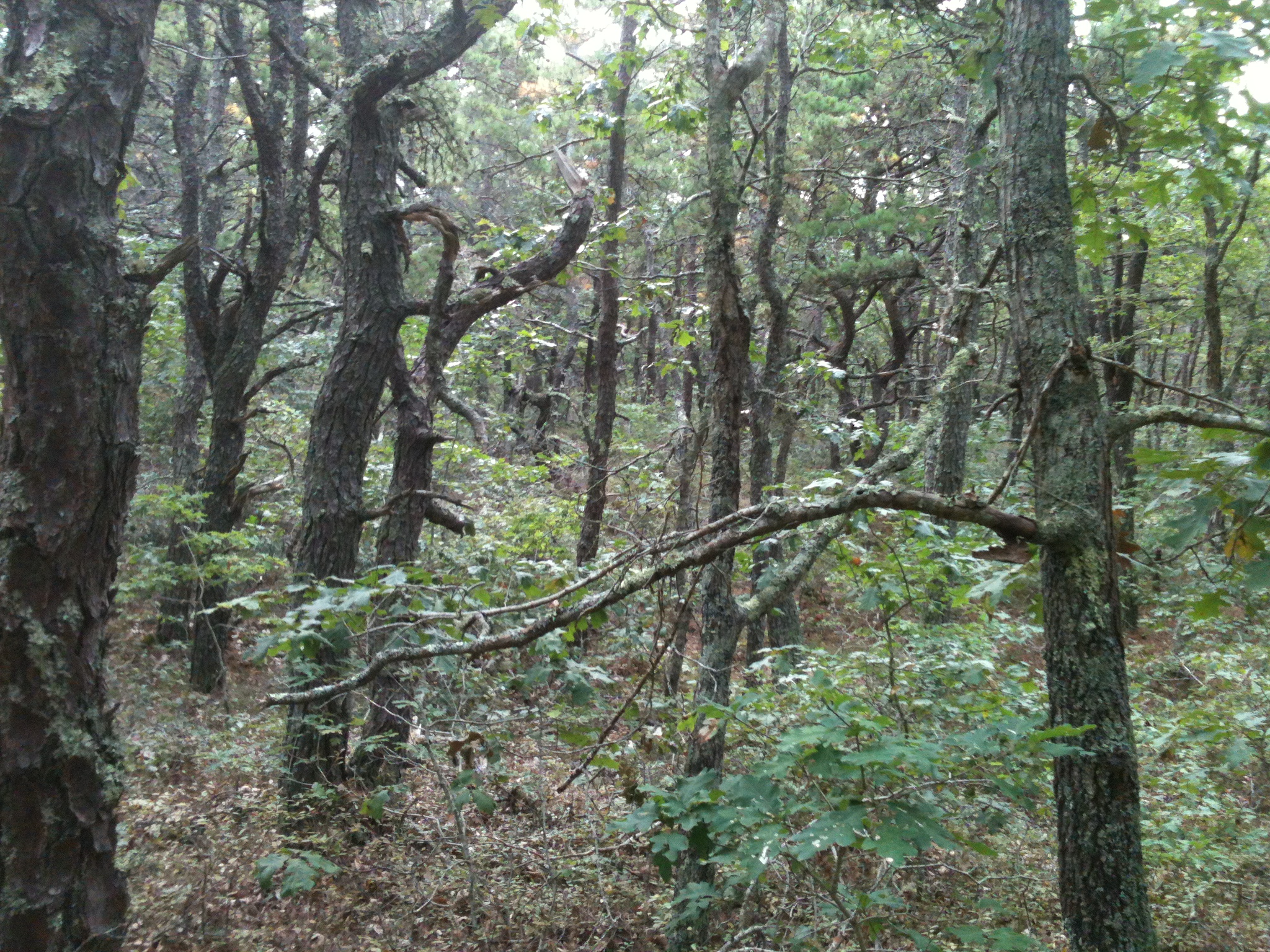
Today’s walk had me drawn to the trees along the way. Maybe Sandy has me looking at them differently than before the high winds, uprooted trees and thick timbers along the roadside.

Gnarly Toes

I especially like gnarly trunks that have long, weird toes digging into the earth. This one seems to say,” Go ahead, make my day, try to uproot me”.

Tall and Lean

Some seem so elegant with naked limbs reaching skyward, with leaves long gone. Its branches are in perfect form, and it stands strong.

Six Birches, One Trunk

This birch looks like it had ADD when it was a seedling. It shot up in six different directions simultaneously and created an oddly beautiful sculpture. I love how irregular it is.

These daily walks manage to cross-pollinate various segments of my life. I walk for exercise, to try to get in shape and keep healthy. The walks end up clearing my mind and encouraging all kinds of new ideas for writing, reading, art and life in general. It’s an opportunity to have a dialogue with my husband or to just enjoy the quiet. Today, it slowed my world down and let me look at the trees and make connections.

Quick Pix/Daily Walk

The only new, blue flower amidst fall colors

Survived transplanting, Sandy and a Nor’easter.

Makes me forget I’m exercising…

Re-thinking Thanksgiving 2012

As is often the case, my daughters are responsible for me making changes in my standard operating procedures. The latest is re-thinking Thanksgiving. In the past, this day of thanks has been known for an overabundance of food, a lot of traffic on the roads coming and going, and long afternoon naps after overdoing the whole routine. There was always an oversized turkey on the table and too much of everything else. And it was fun.

This year, the kids raised some interesting questions and suggested options:

  1. Can this not be an overindulgent food fest? How about regular healthy, simple meals and more time to relax together?
  2. How can we make new traditions for this celebration that takes into account who we are and what we value?
  3. Does it make sense to hit the roads via car or bus and deal with unmanageable traffic? Let’s have a family get-together on another day and do it our way.

So we’re in the process of re-creating the holiday or perhaps making a new one. I’m excited about finding a way to make this new celebration work. As a kid, I never questioned how colonization affected the Native Americans. Without being disgustingly politically correct, I do think about this issue and have doubts about celebrating the takeover. I think I need to do some more reading about this and understand what really happened in 1621 and what were the intended and unintended consequences.

It seems that the first Thanksgiving was in appreciation of not starving during that difficult year of survival in a new land. Then it grew and grew and grew… more food on the table, larger venues, over the top in so many ways. Even the average size of the turkey has exploded; anything less than 25 pounds looks like a Cornish hen. An assortment of pies now await on the sidebar, not just the one cherished pumpkin or apple treat. Thanksgiving is on steroids, and it’s less satisfying, even though we’re stuffed.

I’m thinking that reshaping this holiday does fit into my quest for simplicity and pared down living. I don’t like what Thanksgiving has become, and it’s time for a change. Stripping away the excess and recalibrating the holiday is in order. For us, that will mean treating food as healthy fuel. It also will be quality time together without stressful travel.  We’ll find a creative project to work on together… maybe hats and scarves for the homeless or birdfeeders for the feathered critters. Needless to say, we won’t be hustling out in the week hours on Black Friday to hit the sales. We’re gravitating back to basics, and I’m thrilled that we’re doing it as a family. That’s something to be thankful about.


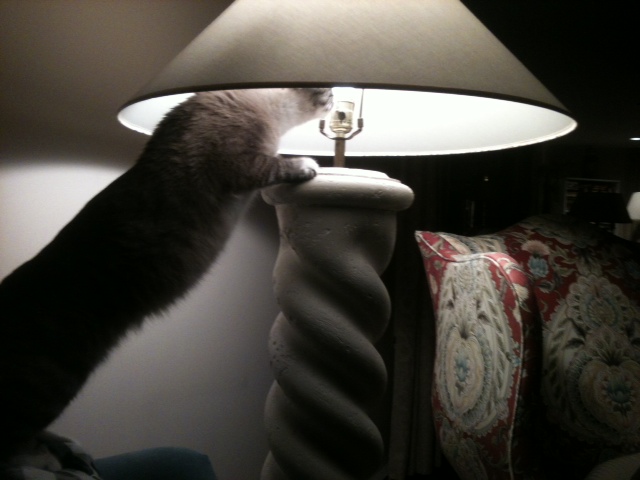
And then there was light in the living room…


After three days and nights of no lights, thanks to Hurricane Sandy, Bella rediscovers Edison’s magic.


Hey, what’s this?

Got to get closer.

This is a bright idea, but it’s hot.


I wonder how it works…

We all survived Sandy quite nicely. No trees were downed, no injuries incurred. Life slowed down while we watched Mother Nature make chaos. Books got read, we listened to the radio, burned a lot of candles, learned how to use a cast iron frying pan on the gas grill.  Physics and knitting got done… and we played with Bella a lot. We’re none the worst for the experience.

Photos courtesy of David


State of “Emerge & See”

10AM Monday Sandy

Even as I sit here waiting for Sandy to hit the Cape, and for the trees to do back bends, and the power to go out, there are some redeeming values to appreciate in this “State of Emergency”.

  1. I’m focused on what is essential and nothing trivial. I’m hoping for no injuries, no trees to fall into the house, and no loss of power. Today I’m not worried if I look good in these pants.
  2. Because I’m a tad anxious, I’ve surrounded myself with what makes me feel good: my David, the vest I’m knitting for me, socks for Molly, a hat to be started for Kate, and the new Mark Helprin book. Nothing extreme, just all good stuff.
  3. I’ve touched base with both kids and let them know all is well so far and that I’m crazy about them.

I’ve decided to stay calm and just ride out this storm. Not a bad choice considering all the options.

Get Smart

Technological advancements bring promise and problems. These two effects are often so intertwined that it’s challenging to separate them. I’m not a luddite; I am a “louddite”.

I love my Iphone, but smart phones can alienate users from the rest of their environment when they pump up the volume. It quickly and frequently becomes a case of TMI: too much information.

Today while walking the bike path along Vineyard Sound, one runner approached us from behind. It was not the patter of his feet or a shout out of “On your Left” that let us know he was approaching. A loud one-sided, totally absorbed dialogue—something about a tennis match and a local pub and a full-busted woman filled the otherwise quiet walk in the woods. No eye contact is made, no hello is said, just loud talk into a small black box jammed up against his ear. It’s small talk that’s too big.

The double-edged sword is that he’s invading my space while exposing his private life to anyone within ear-shot. He was indifferent to it all. It was too much information and noise for me–a completely disinterested bystander–and an impingement upon my personal space.

A similar situation occurs in the upscale grocery markets that I try so hard to avoid. The army of well-dressed-to-impress-women with the latest smart phone gadgets attached to their bodies invade and wipe out the store’s musaic. They park their carts in the middle of the aisle and broadcast what the nanny does to annoy them today… where their husband are traveling this week–and what purchases they just made at the mall.

The level of decibels is astounding and offensive. Nothing stops them. Don’t they realize that nobody cares about their inane conversation? Nobody’s impressed, and nobody wants to hear it. I realize that the grocery store is not expected to be a quiet, meditative place, but this broadcasting of what should be private news is obnoxious.

I have been tempted to stand next to one of these “Chatty Cathy’s”, take off my shoe, and start talking into it “Get Smart” style. Into my loafer, I would announce that I am thrilled about the great sex I had last night and that our investments doubled at the close of the market yesterday. I’d add that both of my children won Nobel Prizes and that my husband was Time’s Man of the Year.

I’d speak clearly and loudly into my shoe, make no eye contact, put my shoe back on my foot and push my cart down the produce aisle, while nudging hers to the side. I might ask “How do you like them apples?”

Love Lost: Junot Diaz

In This is How You Lose Her Junot Diaz willingly shares a seat on his sofa, a view into the bedroom, and the tensions that accompany love lost. He puts us completely into his world, and the complimentary whiplash is upsetting and addictive at the same time.

This novel continues with Yunior’s life as well as several episodes of familial as well as romantic love stories gone bad. Diaz explores the small actions that merge to create messy relationships and “life messes” in general. This novel serves up a rich narrative of how characters ruin their lives.

The book reads like someone is telling a story, the way a relative would share family secrets. Like voyeurs, we see it, hear it, almost taste the story. Characters come alive; their stories strike chords. As they make the same mistake repeatedly, we see it, they don’t. In many ways, it’s like watching a car wreck, but not rubbernecking for the blood and gore. The characters keep on moving, and so do the readers. I couldn’t put the book down and read it in one sitting.

Dysfunctional family dynamics bombard the reader. Sibling rivalry, preferential parental treatment, father’s absence and/or abuse, and living in far from perfect conditions are themes in each chapter. Love is lost and people suffer. Every chapter highlights struggle, disappointment and loneliness. There seems to be no answers or solace readily available. We turn each page and wonder if Yunior’s fear of Armageddon will be realized in the next chapter.

All of this angst occurs while the characters are always outsiders—alienated from the world around them. The cultural differences between life in the U.S. and the Dominican Republican are magnified and personalized. They’re also never mitigated. It’s more tension that never leaves these pages.

Diaz’s language is a mixture of words we understand, and many others that are mysteries. Some words are Spanish, some from contemporary media works, others seem created out of thin air. These mysterious words require looking at the context and using one’s imagination. It all works quite well. It’s also the written language (journal, e-mails, letters) within this novel that divulge secrets, expose truths and create chaos. Diaz does honor the written word and pay it homage. His unmistakable voice resonates clearly and effectively.

This book is not about searching for excellence or success… it’s a hunt for temporary happiness and coping skills to survive from day to day. Diaz has his players use sex as an instant fix for boredom or loneliness, but it often falls short in more ways than one.

Diaz paints this sad picture, but it doesn’t read as “desperate or hopeless”— it just goes on. The hook-up culture dominates and sex without intimacy rules. That’s how it rolls. The constant designation of women according to their nationality followed closely by a description of their bust and derriere is tedious; I expect Diaz does this purposely. It’s tiresome and limiting to view women in such a narrow perspective.

Infidelity and betrayal are the norm in this book, and both have consequences. Diaz does not harp on the morality of cheating on a lover, no matter how indiscriminate and how pervasive. He reveals that the cost of being a philanderer is anxiety, disappointment and alienation for all parties involved. It isn’t pretty, and it is painful. He shows how the women and children cope with their absent male figure and inadequate relationships. The men are shallow and often cruel. Few characters actually trust each other; there is a lack of authentic, respectful, loving partnerships here as well. Emptiness, self-destruction and self-loathing abound. Diaz shows that this behavior consistently depletes his characters. We see them shrink in their own eyes and in the eyes of the rest of the world.

The last chapter shows some enlightenment and a modest, new beginning. I had hoped for more from this book. I did become weary of women often used only as semen vessels with interesting protrusions front and back. And likewise it was boring to have male characters who are either busy humping or thinking about humping. Maybe that’s how they feel powerful in a world that doesn’t give them much clout. Is that the message? Is the purpose of Diaz’s effective storytelling a search for love, trust, respect? Maybe it just shows the depth of emptiness and a flailing attempt to fill a painful void.

Swamp Magic

Posted on

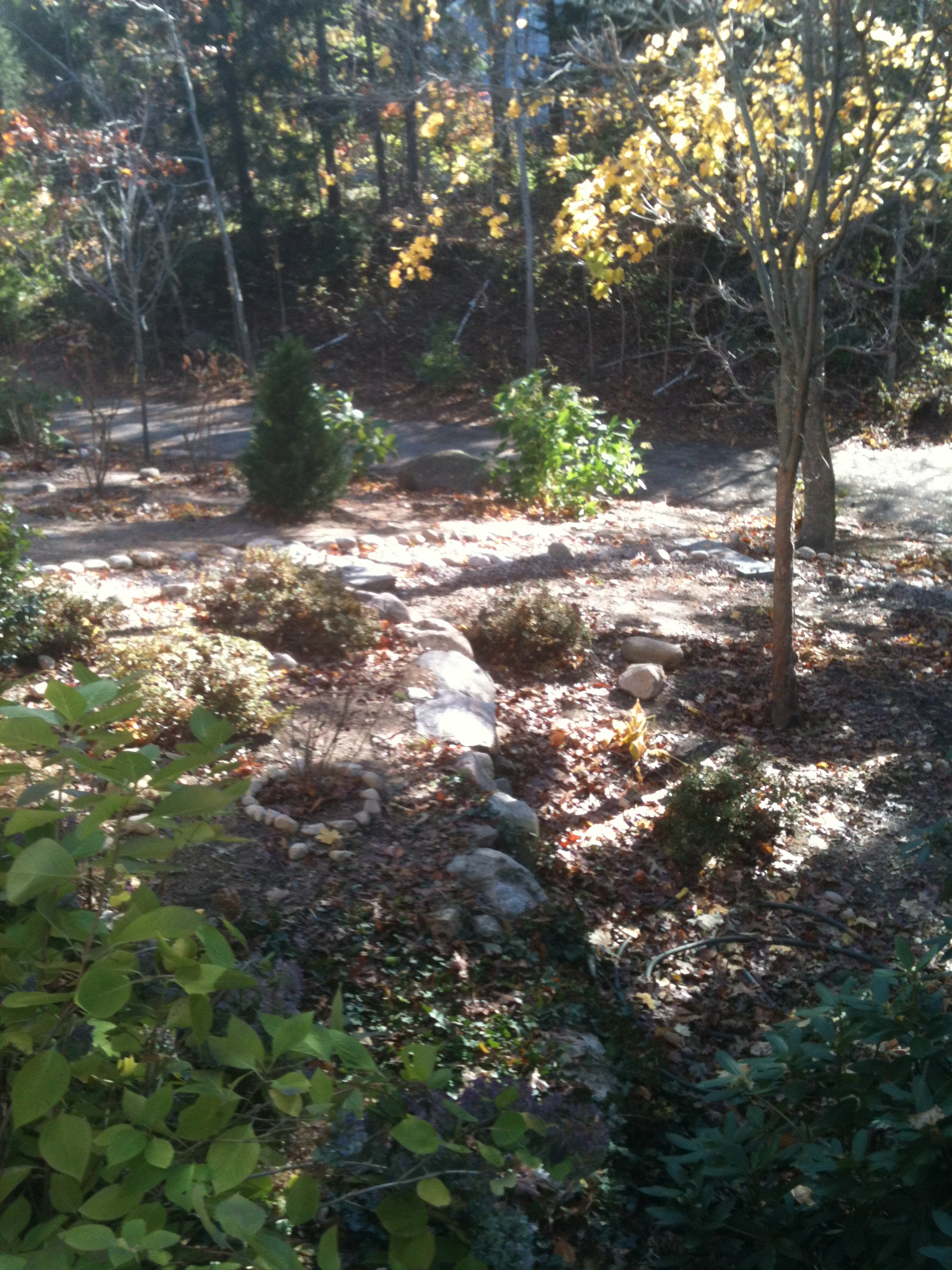
Click and then double click on photos to follow the path.

When is a walk in the woods more like an adventure down a rabbit hole? Or maybe even more like Narnia or Where the Wild Things Are? That’s what the Atlantic White Cedar Swamp Trail offers me every single time I go there.

Extends to the end of the earth…

It’s a mile long escape along a simple walkway just slightly raised above a piece of conservation land along the sea in Wellfleet and adjoins the Marconi Station where the first transatlantic message was sent in 1903.  This trail is magic and one of my favorite places in the universe.

Where the wild things are…

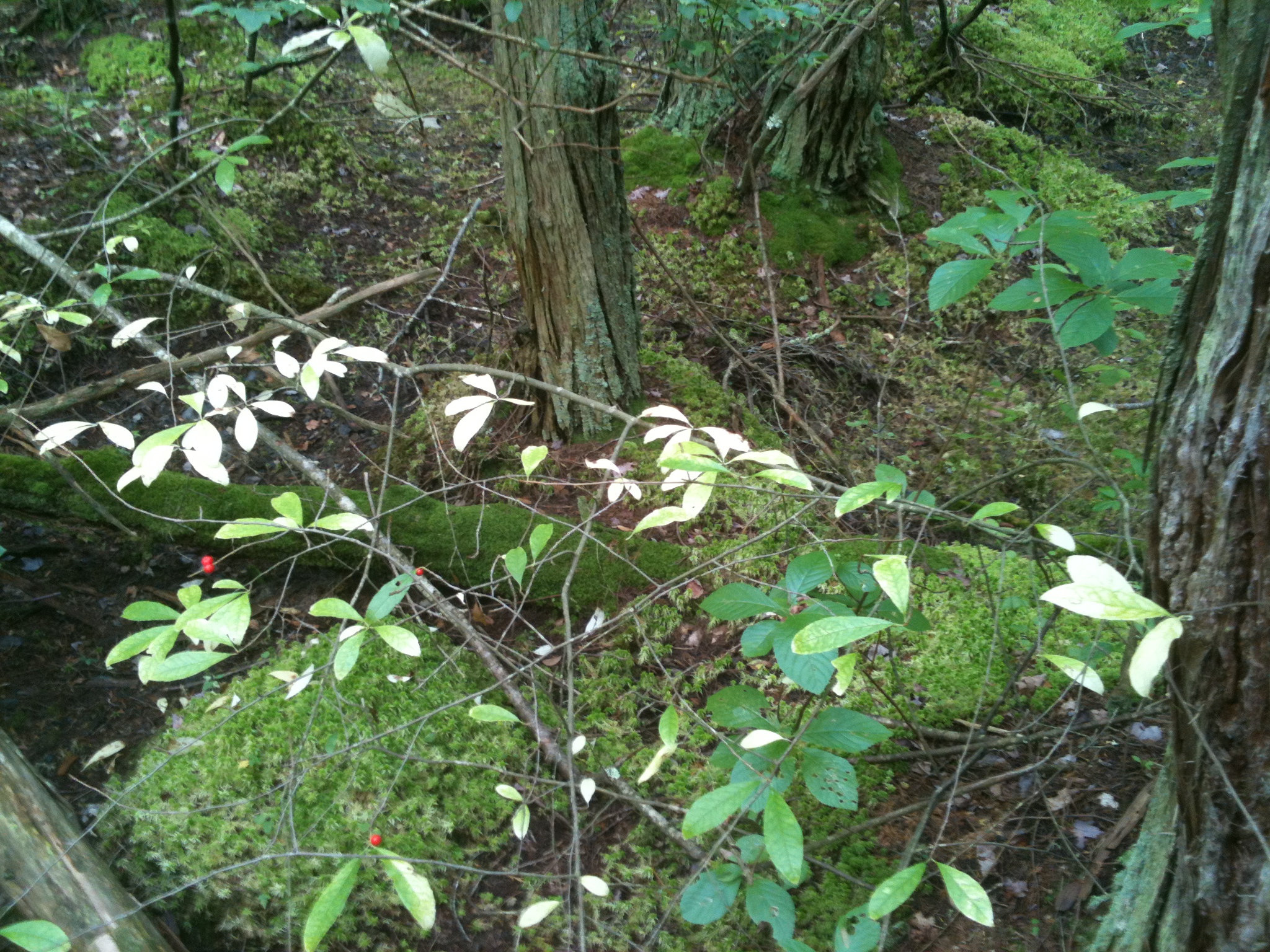
The white cedar is the star, but no by means the only site to be seen. The cedars seem to shoot out of the earth and stretch to the sky, with vegetation twisted and gnarled at their feet. It is all very alive.

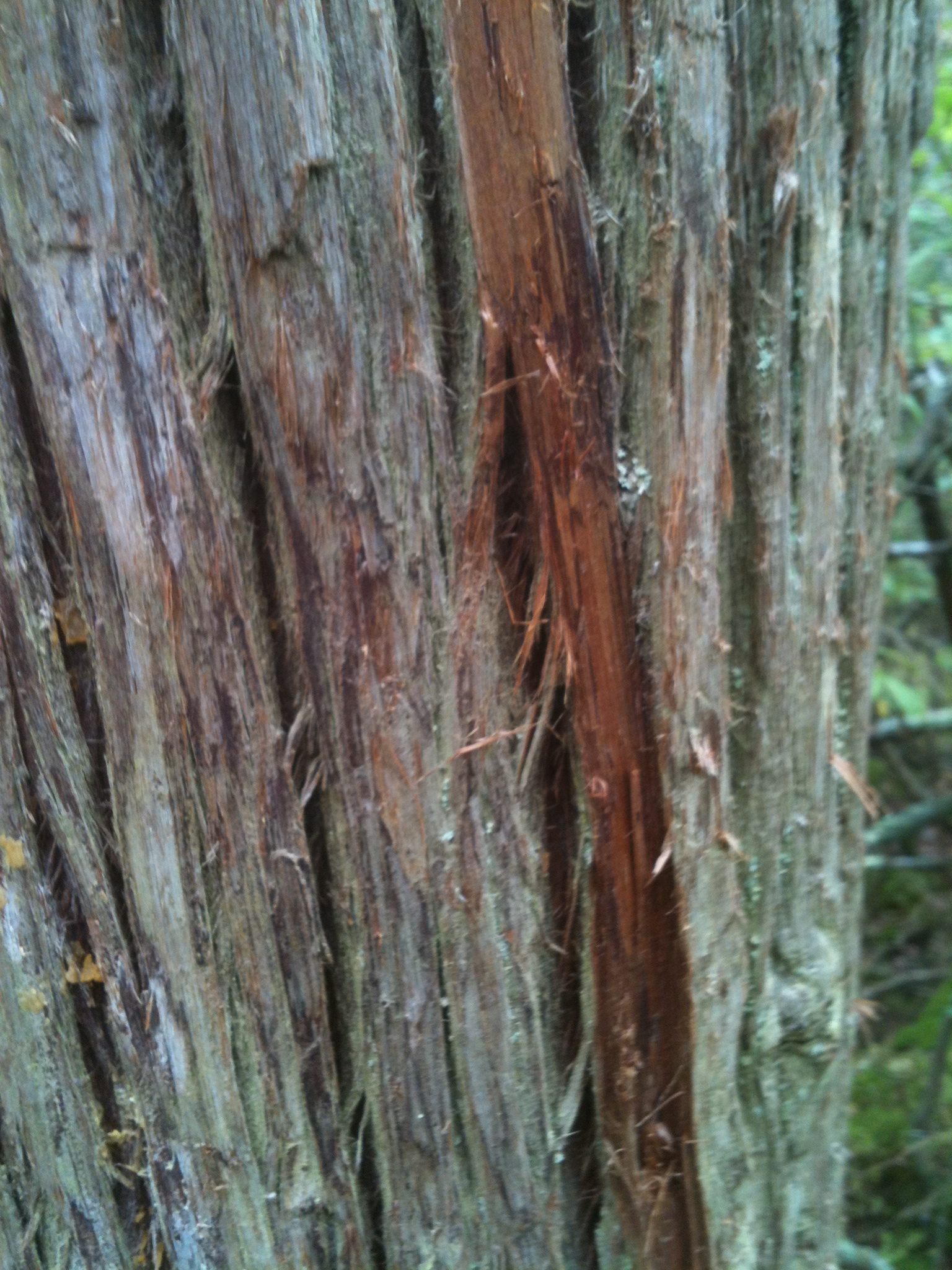
The bark texture is a work of art unto itself; a close up makes one wonder what’s in view. The light produces enchanting effects and is altered at every turn.

Animal, mineral or vegetable?

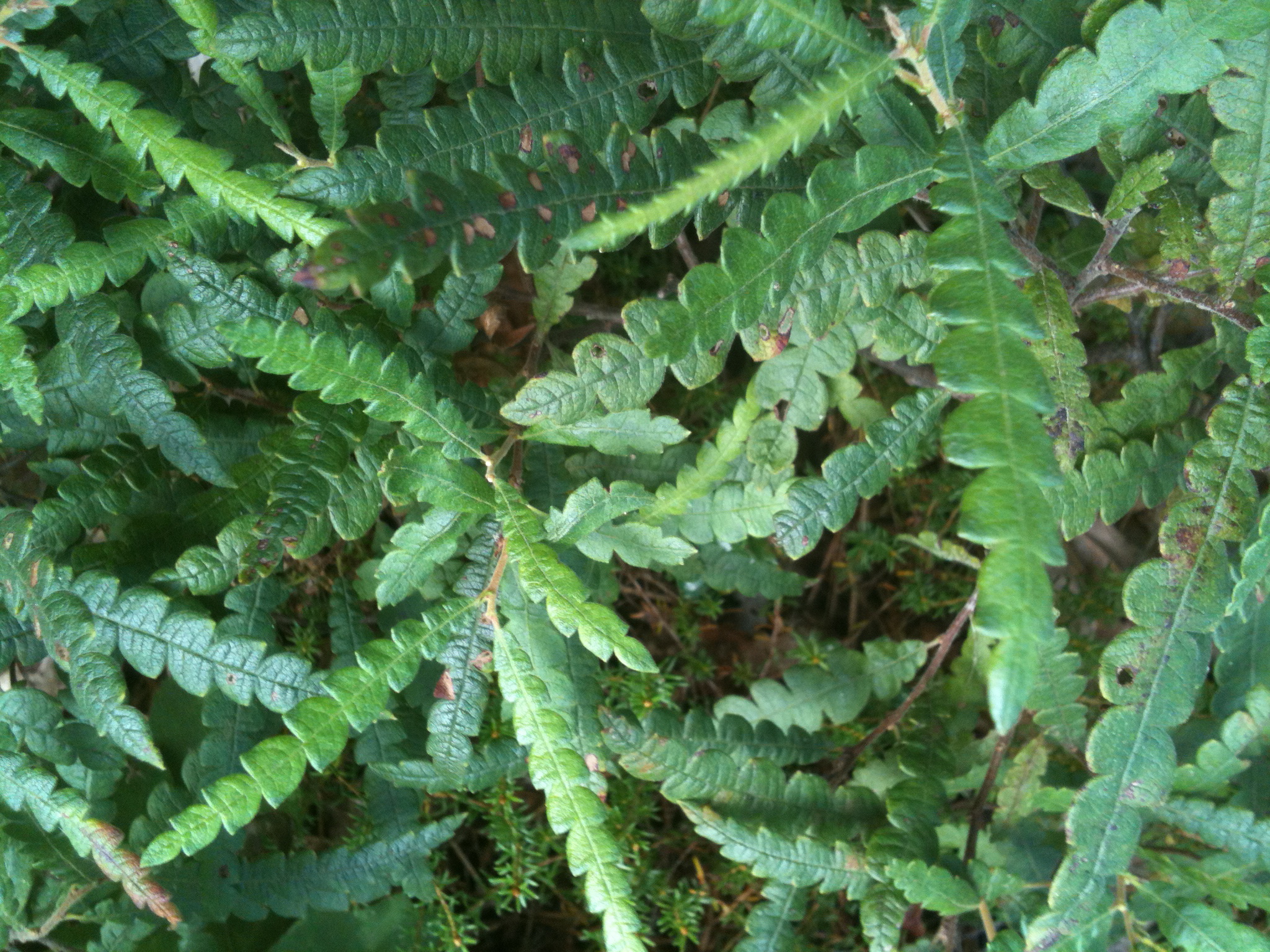
The ground cover is lush and varied. There’s always something new to observe.

Quiet and unassuming

Mother Nature doesn’t disappoint her audience.

Fern beds

A few wild asters

One is overwhelmed and at peace, simultaneously, in this place. It’s strangely wonderful.

Layers and layers of good stuff from the dirt to the sky

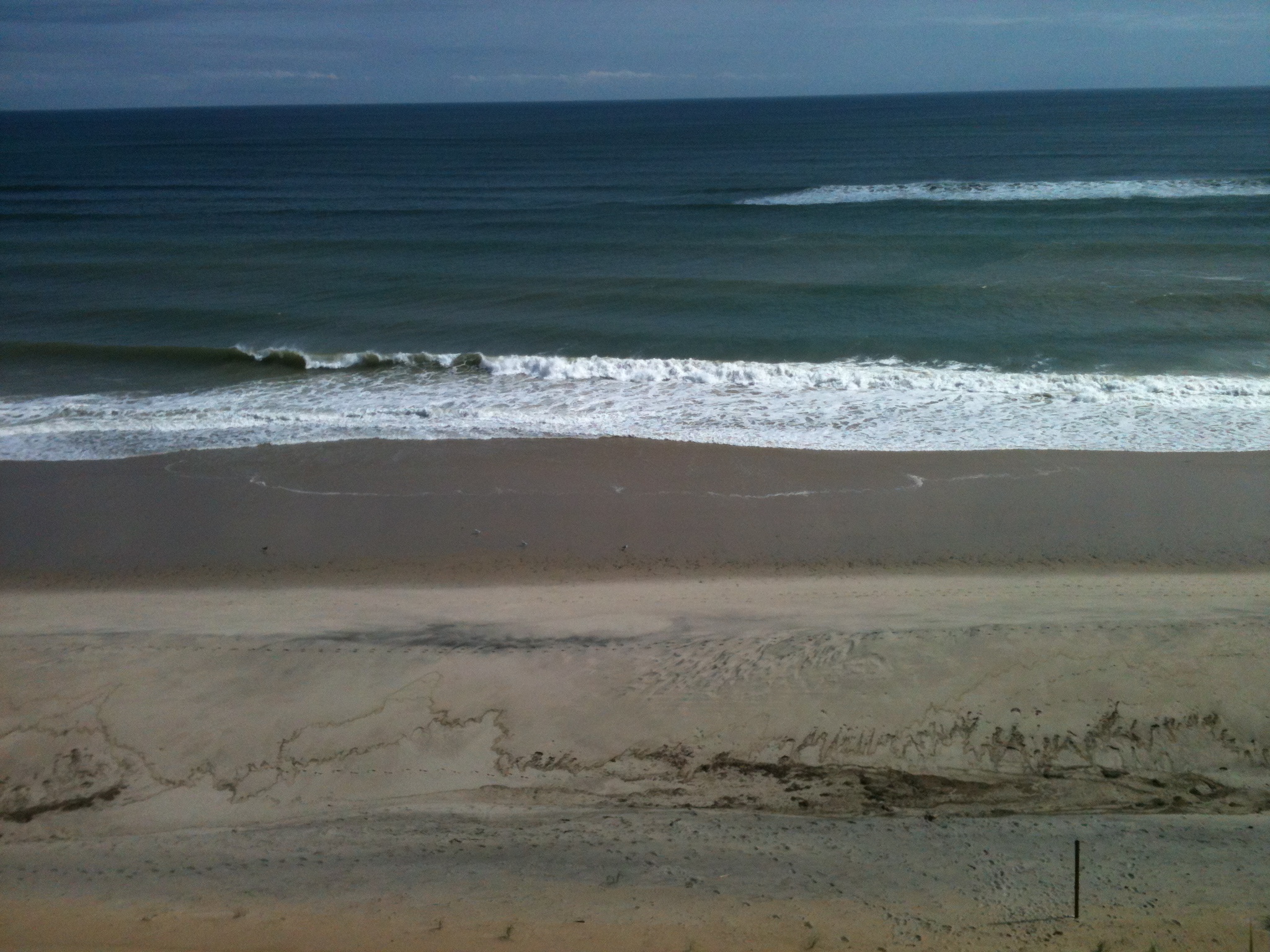
It’s like a trip to another world—all green and earthy—and at the end you have a majestic view of the National Seashore: the Atlantic Ocean in her full glory.

End of the trail, beginning of the sea

Hope to go back this weekend with the kids. It’s something to be shared.

Rock, Not Stoned

A work in progress

We’ve been in the middle of a huge landscaping project. All of the plants from the house in Wellesley (that we just sold) were transplanted here at the Cape. I love that all these mature green goodies aren’t going to get bulldozed by the developer who is knocking down the house. So, we’ve got plants and lots of them. They’re all in the ground, getting their twice daily long drinks of water and gentle spritzing with spray. They’re all happy… Amazing.

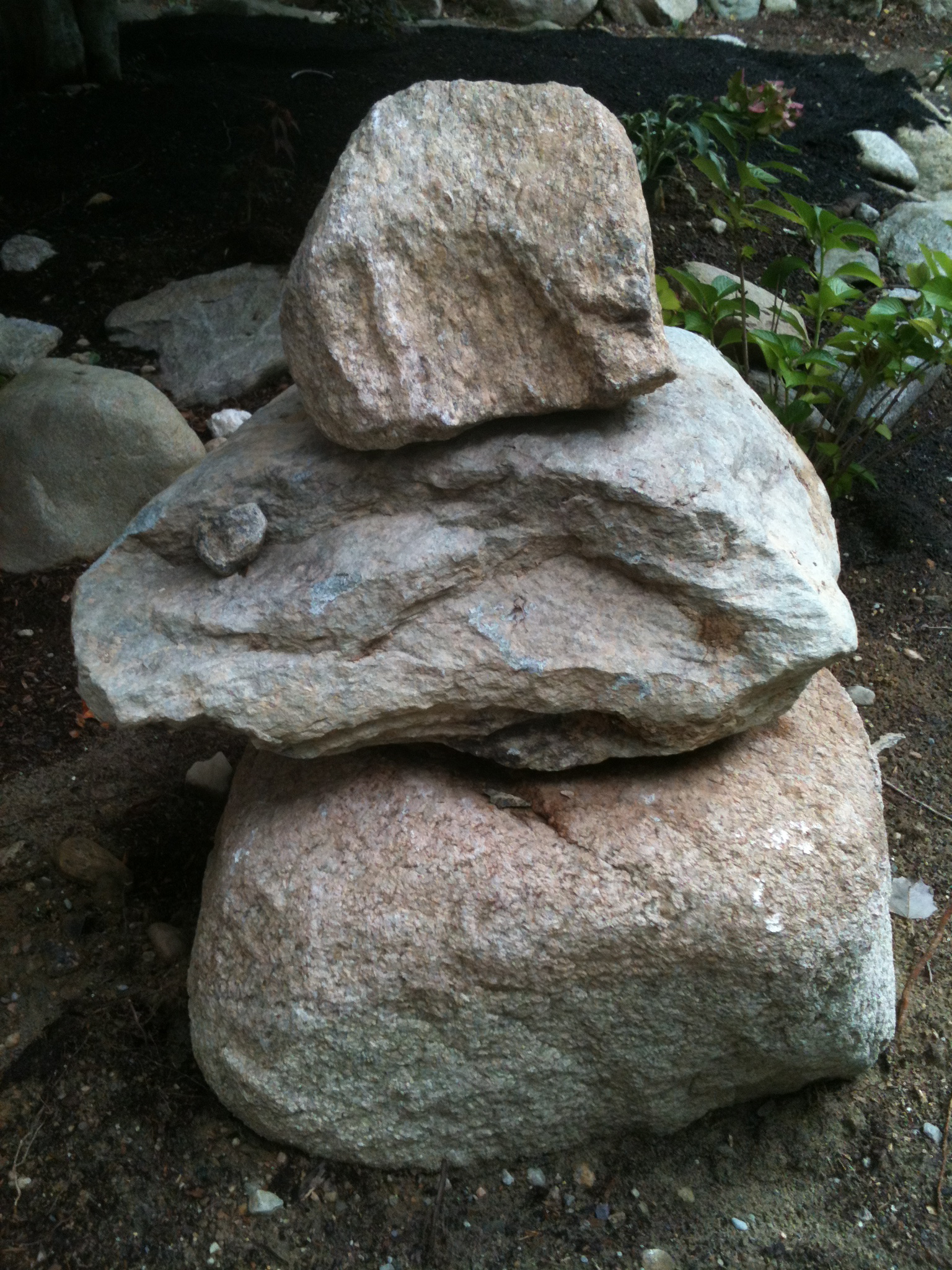
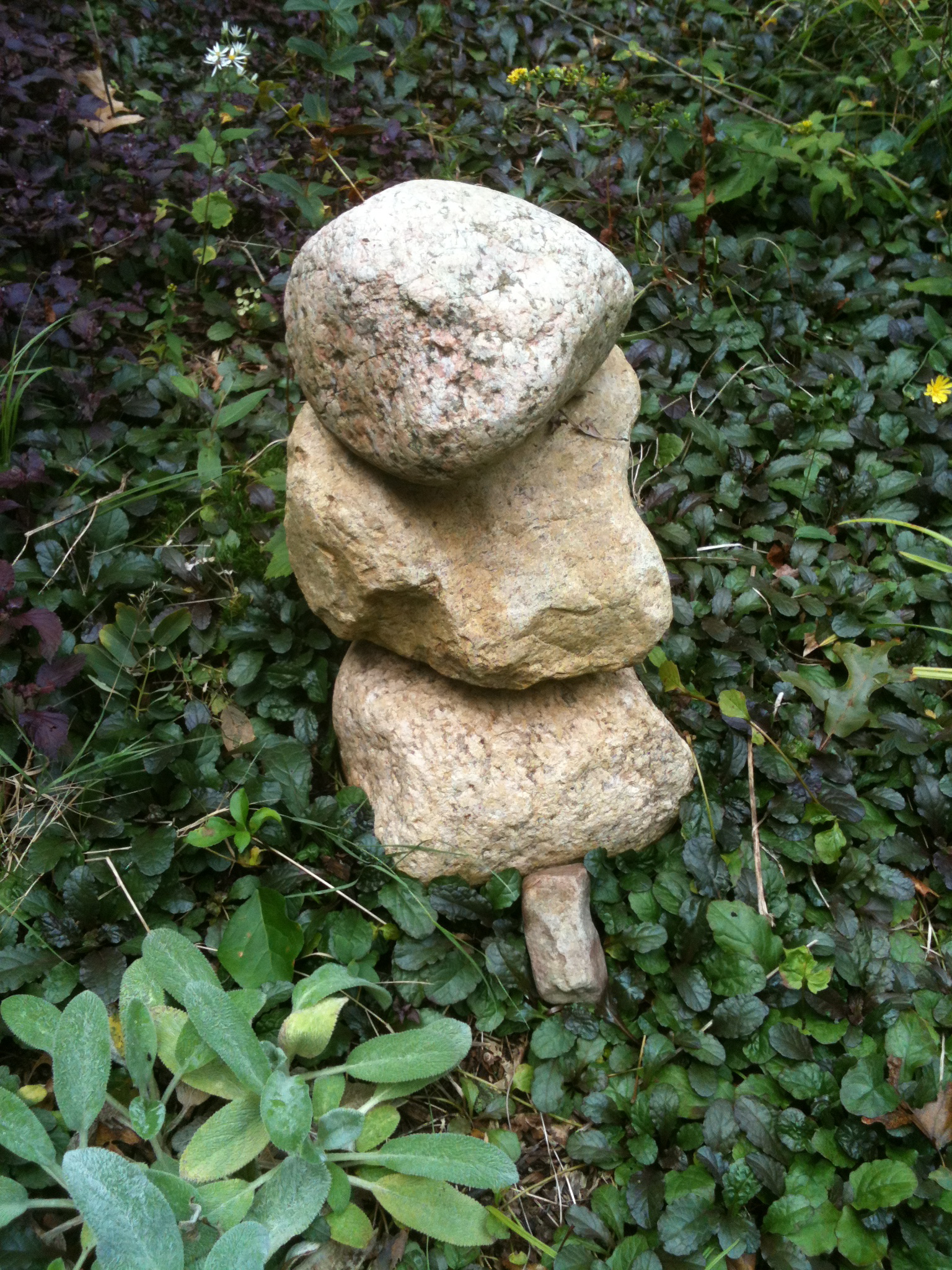
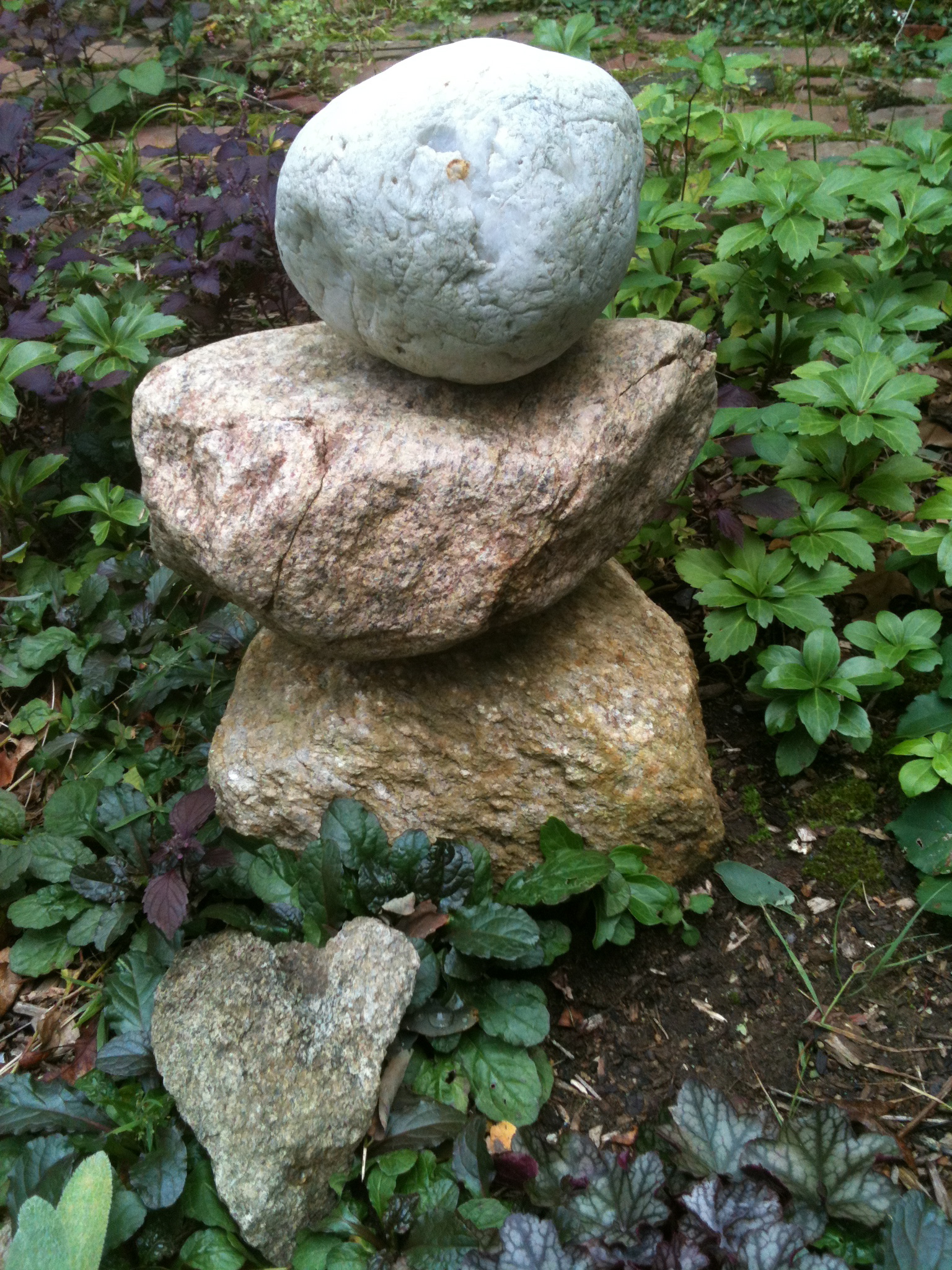
However, it’s not the plants alone that I’m psyched about. We’ve got rocks, yes, mucho rocks here at the Cape. While transplanting the big trees/shrubs, Tom, the landscaper discovered even more rocks. And that’s when I really started to have fun. Since he had a great little Bobcat that could lift boulders and arrange them one on top of the other without me lifting a finger… I had a blast (bad rock pun, sorry!)

Goddess DeVida

At the front door is Goddess DeVida. She’s welcoming, but has enough heft to keep creeps and nasty relatives away. I love her and promised I would not dress her up for every Hallmark holiday.

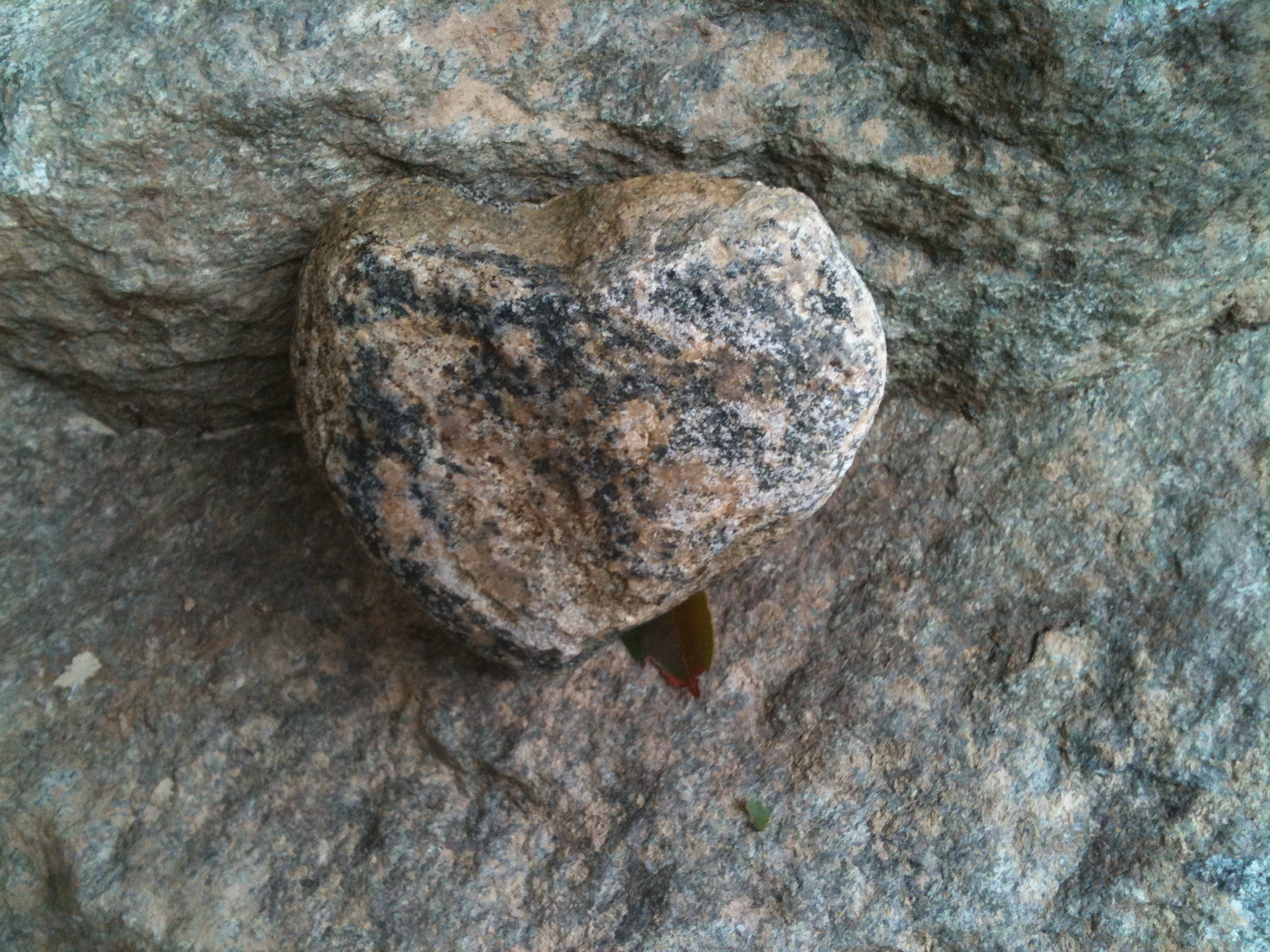
Here’s a close up of her heart- made of stone—but definitely a heart.

She has a heart: stone, of course.

In the back yard are two smaller stone people. They’re located right outside my studio window and make me smile every time I see them, especially the male!


My favorite… and then yet another heart shaped rock we dug up… go figure.

There are still a few more that are works in progress. One reminds me of a cat, but I have to hunt for the “perfect” middle stone. It will happen.

Cat-a-tonic

This last one has potential, but right now, I’m only seeing a duck, and I’d rather see a bunch of undulating waves… Tom will be back with his machine on Friday. I can hardly wait.

Quackers

Rock on!

Bookends

Often I absolutely hate to see a book come to an end. I savor the last fifty pages and sip them like fine wine. This happens more times than not, but this week it was “not”.

I read three books, all of which would have benefited from a haircut, two severe, one just a trim.

The Night Circus by Erin Morgenstern is an engaging flight of fancy. The reader leaves behind roots in reality and yields to the power of imagination. It’s a story about a fantastic circus where nothing is what it seems. Is the illusionist doing clever slight of hand tricks or are other forces at work? Yes, there’s a love story, but that isn’t the prime mover for me. The tension between what is possible versus the bizarre energizes the novel for me. Is it all a dream or would that be too simple? So many people told me they either hated the book or loved it. I liked most of it, with the exception of three or four chapters that seemed unnecessary and non-productive. The ending is not as interesting as I would have hoped, but the author succeeds in making me let go of rational expectations and that is an experience worth having.

It’s true that I tend to favor fiction over non-fiction, but two pieces of non-fiction made it to the top of my reading pile this week. Unstuff Your Life by Andrew J. Mellen caught my attention because of its focus on simplicity and minimalism. It is just shy of 400 pages and could well have afforded to unstuff itself. This is one of those books that would have made a superb two to three page magazine article. There are basically three messages:

1.     You are not your stuff. Separate yourself from your things and make rational decisions about them.

2.     One home for everything. That means everything has its place; put it there.

3.     Like with like. Group like objects together so you know where to find them.

I didn’t learn anything new from this book and should have known better to buy yet another book about decluttering my life.  Lesson learned; I’m donating the book. It will be out of the house tomorrow.

The second non-fiction book I tackled this week is The Power of Habit by Charles Duhigg. The subtitle interested me: Why We Do What We Do in Life and Business. Duhigg explores how habits are formed and looks at the science, business and behavioral aspects of the subject. Examples are drawn from the research labs of MIT as well as case studies from around the country. He lets the reader see how cravings are turned into habits. This book bounces from neurological studies to animal research to case studies focusing on anecdotal stories then ricochets to management’s study of customer habits and back again. There is the constant reiteration of The Habit Loop which shows that habits consists of a cue that prompts a response, a routine that satisfies the prompt, and finally, a reward. The bottom line in converting bad habits to good ones calls for leaving the cue and the reward in place, while swapping out the routine to a healthier one. Duhigg shows that it is possible to create new habits and that even unsuspecting victims of memory loss can succeed at this task. Maybe there is hope for me.

I confess, I was fascinated by the analysis of how businesses collect customer habit information and use it to increase sales. I felt like a voyeur looking into the creation of Febreze—a product that was almost doomed for failure because customers were not making this product a habit. People who had smelly houses, didn’t recognized the smell after a while, and never felt the need to “refresh it” or get rid of the odor. The folks who did buy it saw it as a finishing touch to a room that was just tidied. I was likewise curious about how Alcoa revamped its entire company by making Workplace Safety its top priority. It retrained all levels of its operation to strive for no workplace injuries. Basically, new habits had to be formed from top to bottom. The process was eye-opening and yet another example of “doing well by doing good”.

The Power of Habit is a worthwhile read, but needs some serious skimming through the repetition and prolonged case studies. It is interesting to learn how business endeavors to get inside the consumer’s head (literally) in order to push for more sales, more business, more buying. The marketing research team at Target found a way to identify pregnant women at the very earliest stages of pregnancy in order to capture the $6800 of potential sales during the first year of a new born’s life. Big brother is alive and well—I should have already known that.